
A hand with everyday life
1 / 3“What can I make with what’s here?”
One less thing to carry.
Dinner, the weekend, the thing you keep putting off. Start with what’s on your mind. Work out the next step together.
Personal intelligence that feels like part of your life. Not another thing to manage.
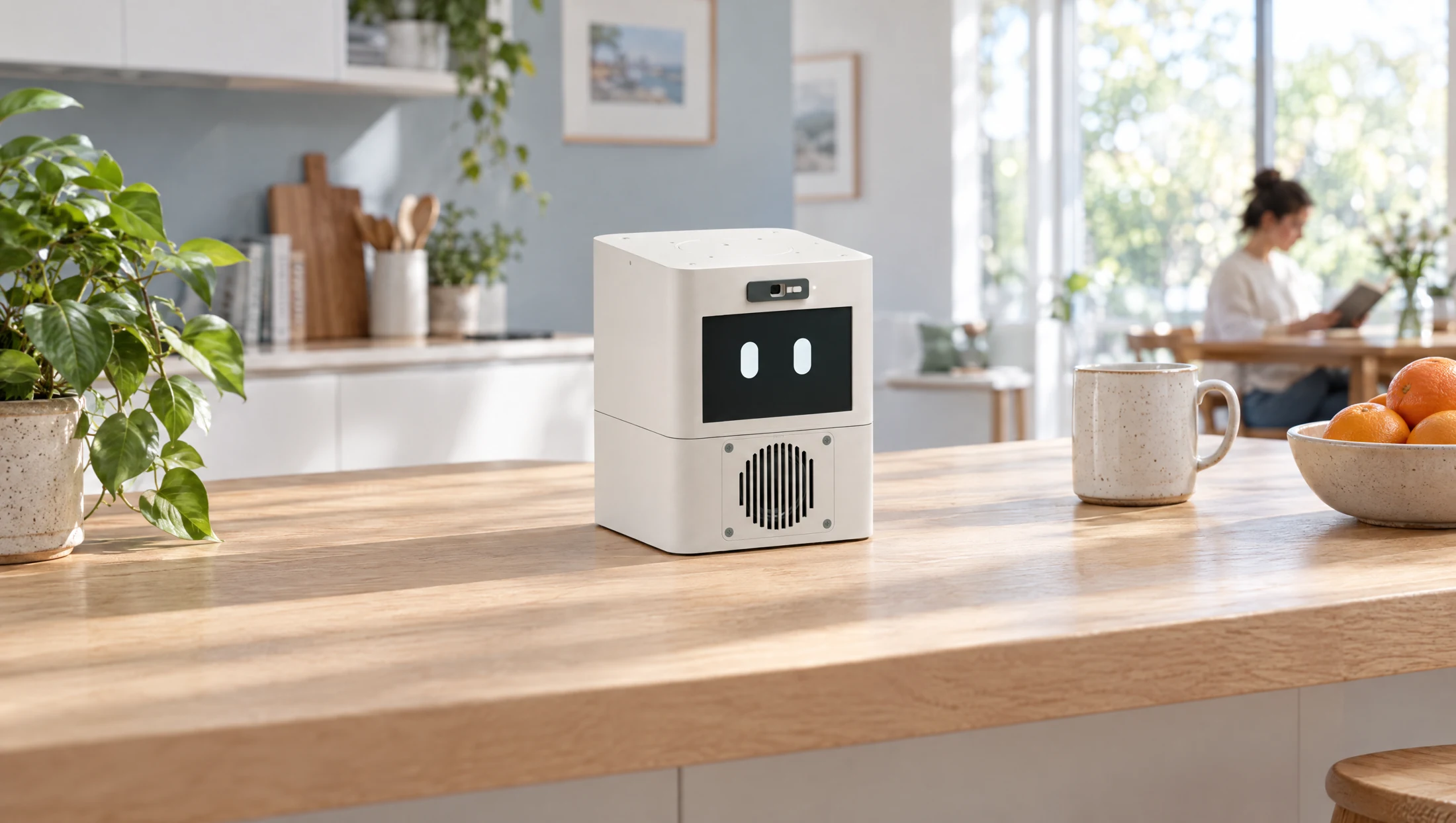
Practical when you need a hand.
Curious when you have a thought.
Here when you just want company.
“What can I make with what’s here?”
Dinner, the weekend, the thing you keep putting off. Start with what’s on your mind. Work out the next step together.

“Lumi, can I play you something?”
The half-formed idea. The song you haven’t finished. A thought worth following, with someone to bounce it off.

“Let’s get away for a day.”
Find a change of scenery, work through the options, and make room for a day that feels like you.
Your passing thought. A question. Something you could use a hand with. You don’t need the right words to begin.
Personal intelligence in the Lumi app. A familiar presence in your home.
Be here for the first hello.
Join the list for launch and pre-order updates.
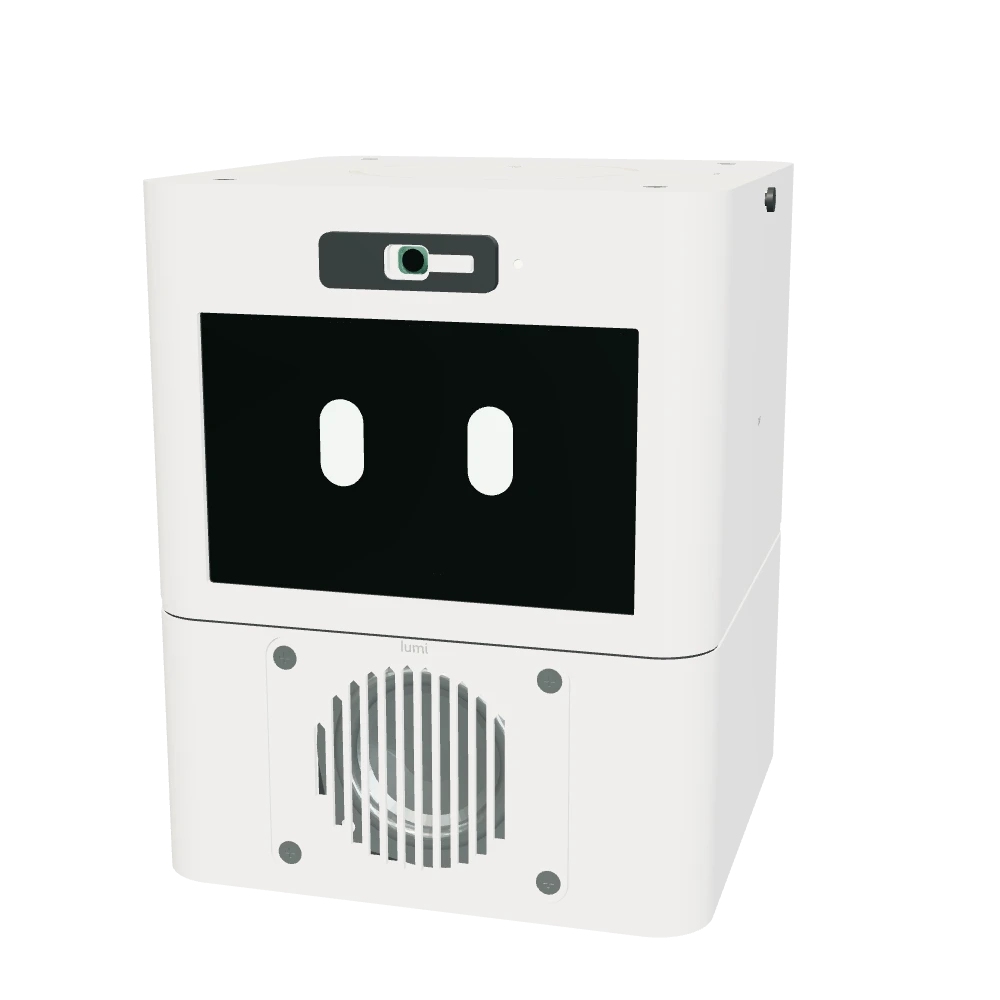
Lumi is your personal AI companion: someone to think out loud with, turn to for help, and share the everyday with. Personal intelligence, with a personal side.
Lumi starts with an app. The Lumi home device brings that same companion into your space as a familiar presence you can talk to. We’ll share availability for both as launch approaches.
We’re collecting pre-order interest now. Join the launch list and we’ll email you when pre-orders open, with everything you need to know before placing an order.
We’ll share pricing and delivery details when pre-orders open. Joining the list is free, doesn’t place an order, and doesn’t require payment.
Lumi is designed to help with the legwork and keep you in the loop. Talk through what you need, shape the plan together, and stay in control of important decisions.
Asteria stores your email privately to send you Lumi launch and pre-order updates. To leave the list or have your email removed, contact founders@asterialabs.ai.